3 hr
La Candelaria Walking Tour with Local Guide
Explore Bogotá's historic heart through colorful streets, colonial architecture, and authentic markets
Reserve
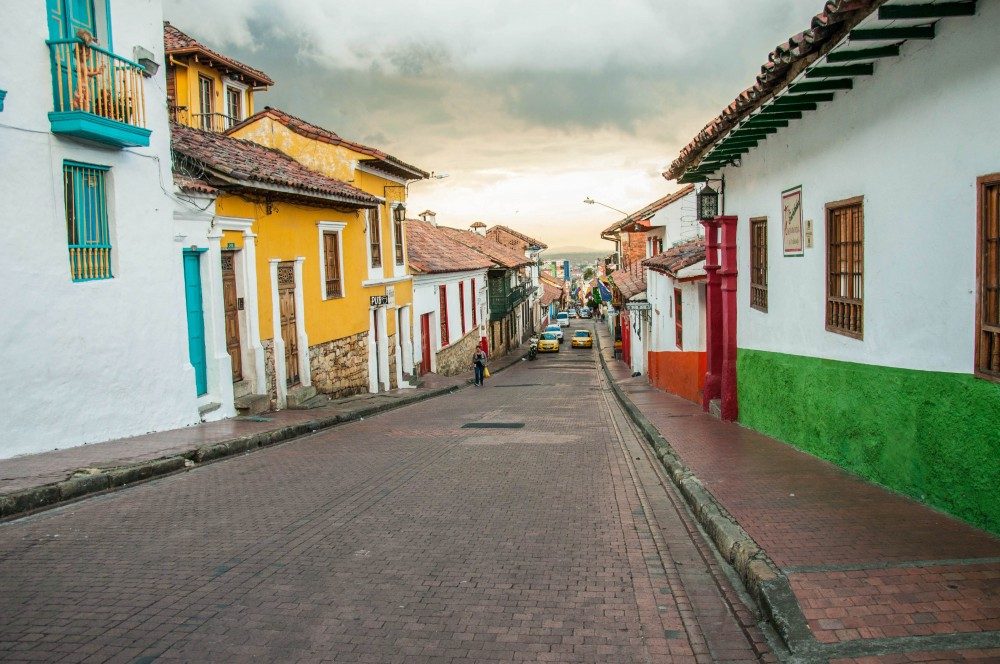
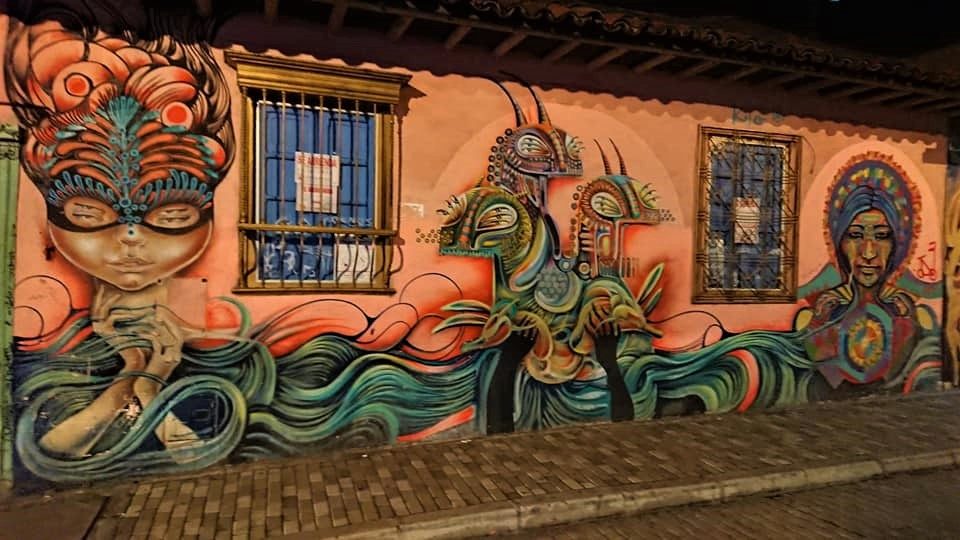
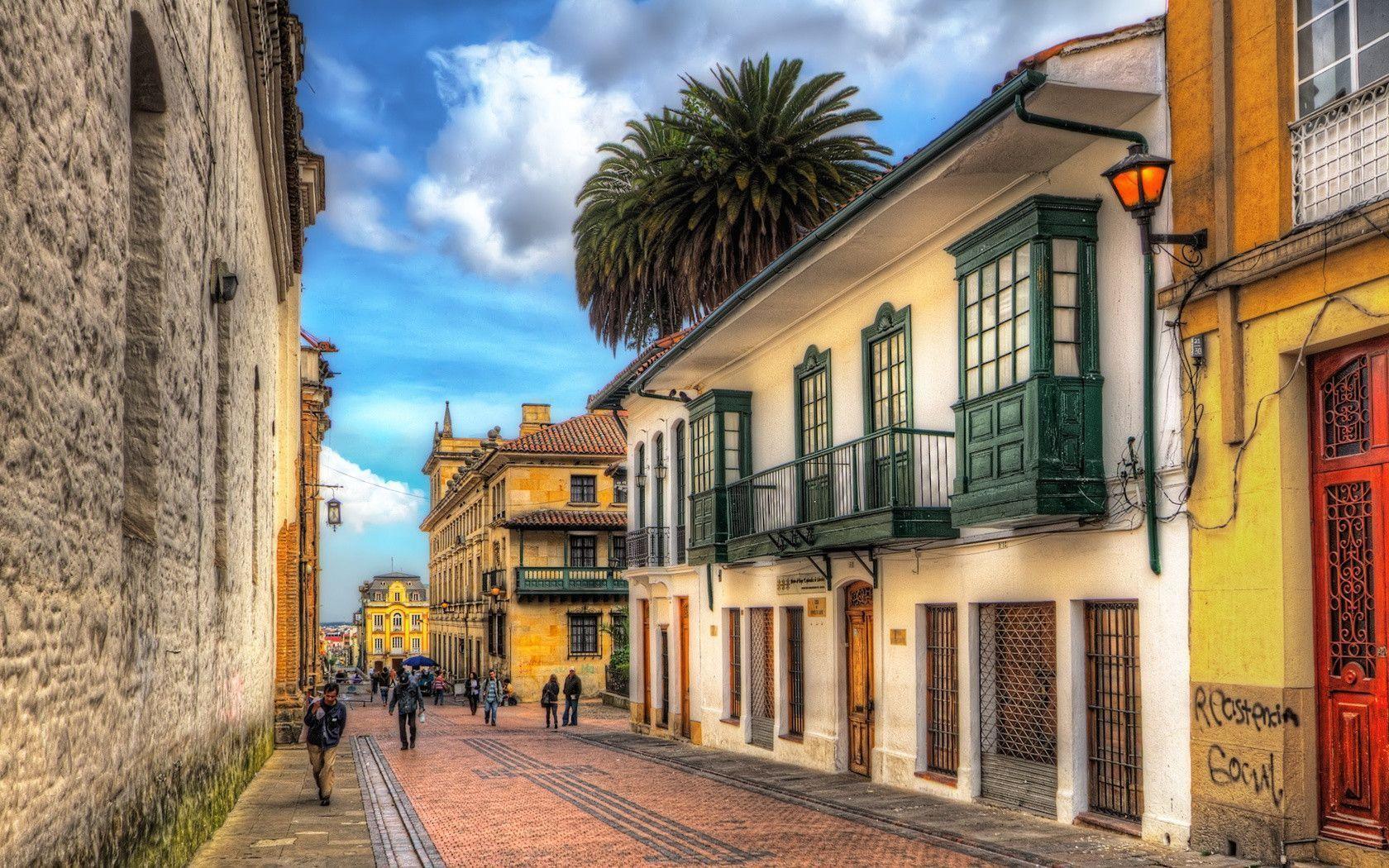
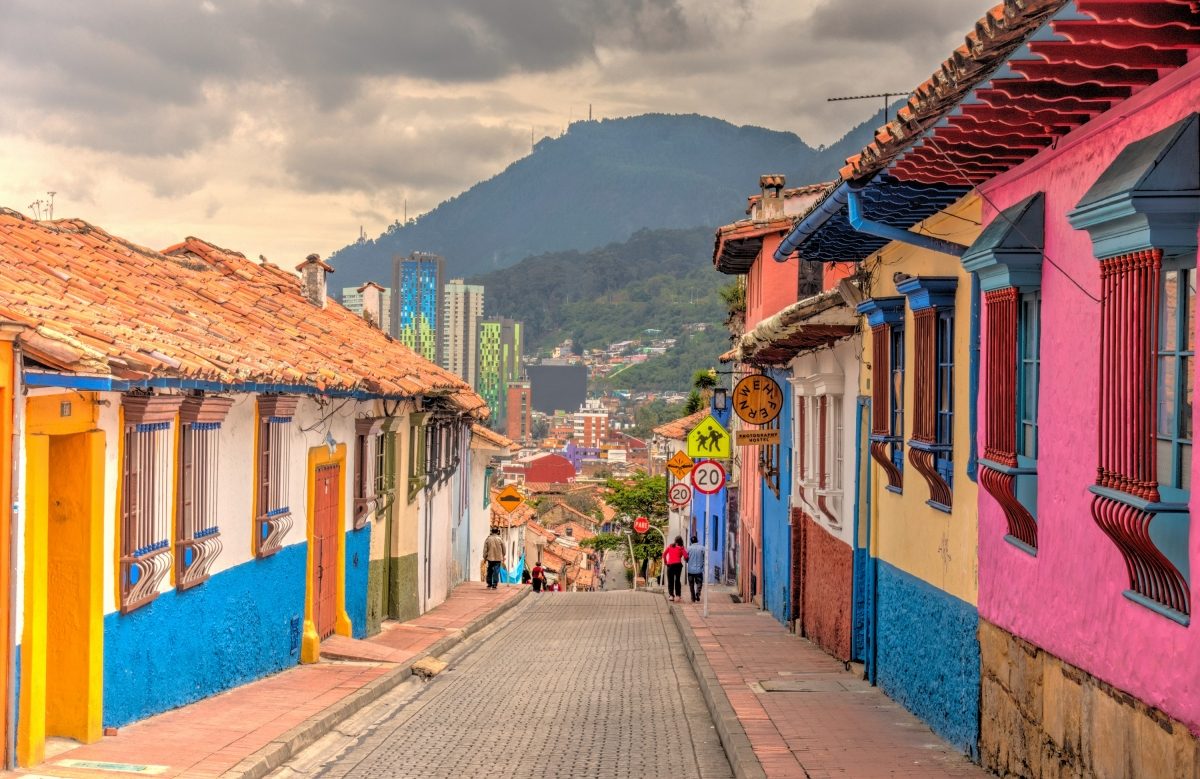
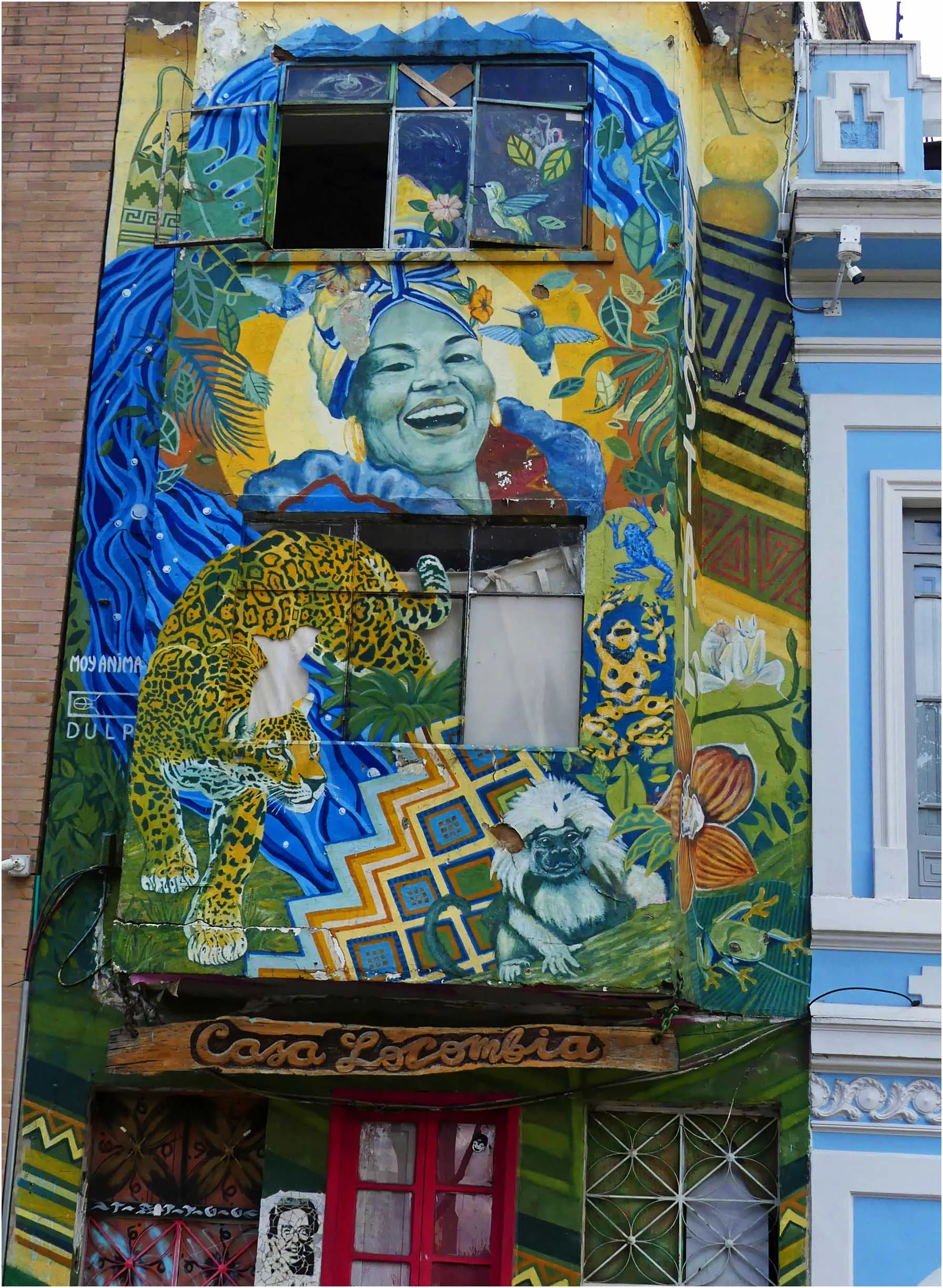
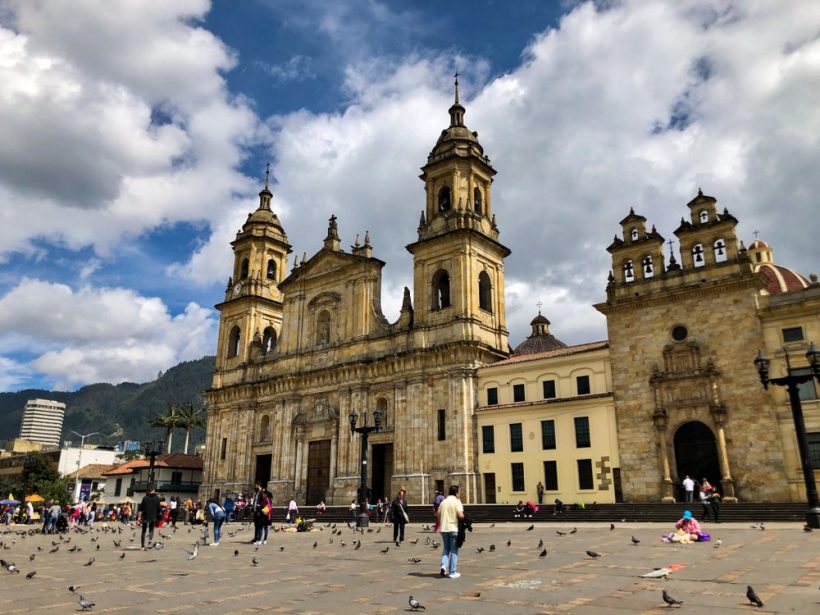
Colonial facades meet street murals, cobblestone ascents open onto plaza views.
Hand-picked by our editors — only the best 12 routes from 47 reviewed.
Verified partners for La Candelaria Walking tours, free cancellation where available, and instant confirmation on every booking.
3 hr
Explore Bogotá's historic heart through colorful streets, colonial architecture, and authentic markets
Reserve
2 hr 30 min
Explore La Candelaria's colorful streets, colonial landmarks, and street art with expert local guides
Reserve
2 hr 30 min
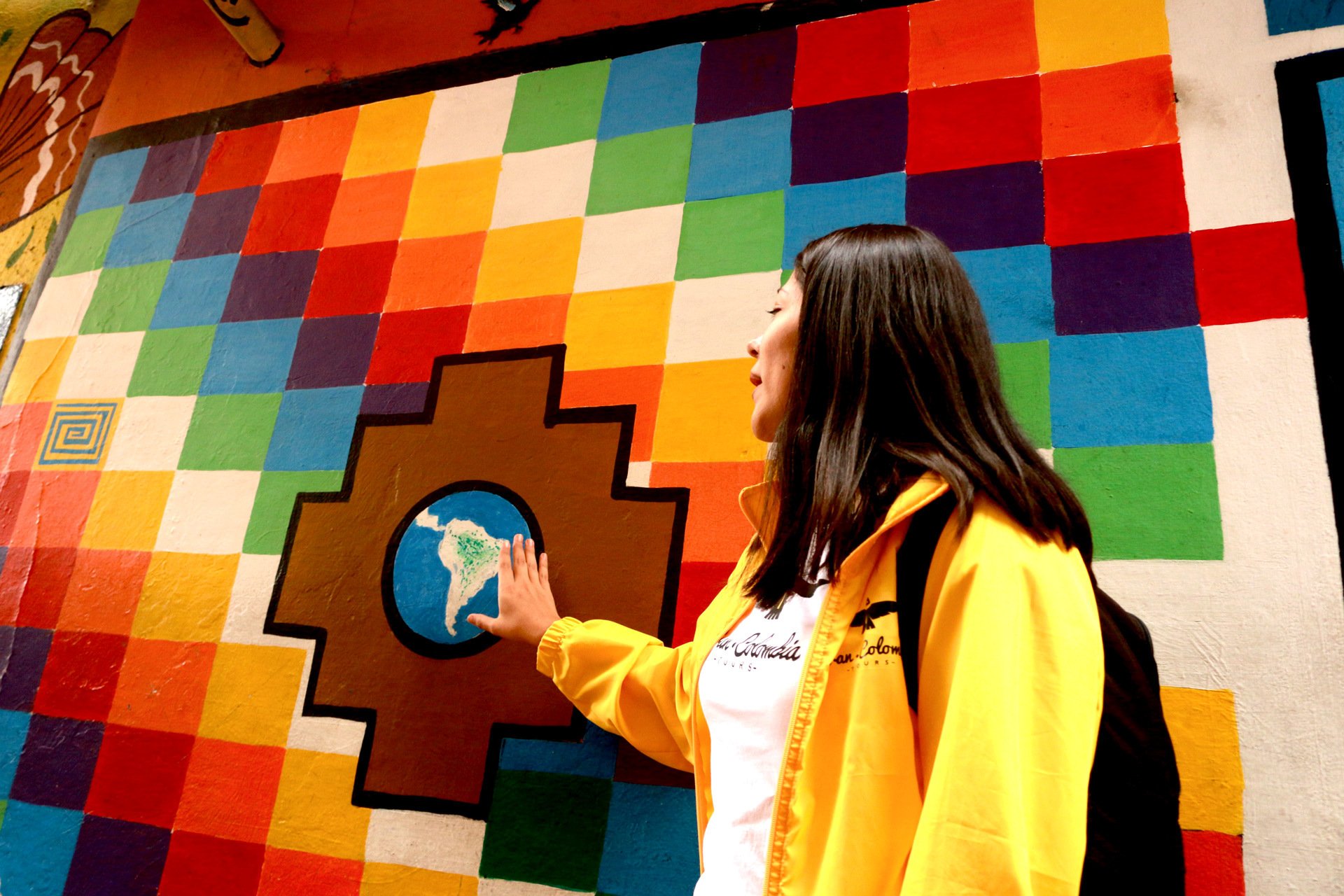
Discover Bogotá's vibrant street art scene through murals that chronicle Colombia's history and culture
ReservePrices from verified partners. Availability updates in real time at checkout. Free cancellation policies apply where shown.
The landmarks, rooms, and views travelers on La Candelaria Walking tours remember — all visible on a single visit.
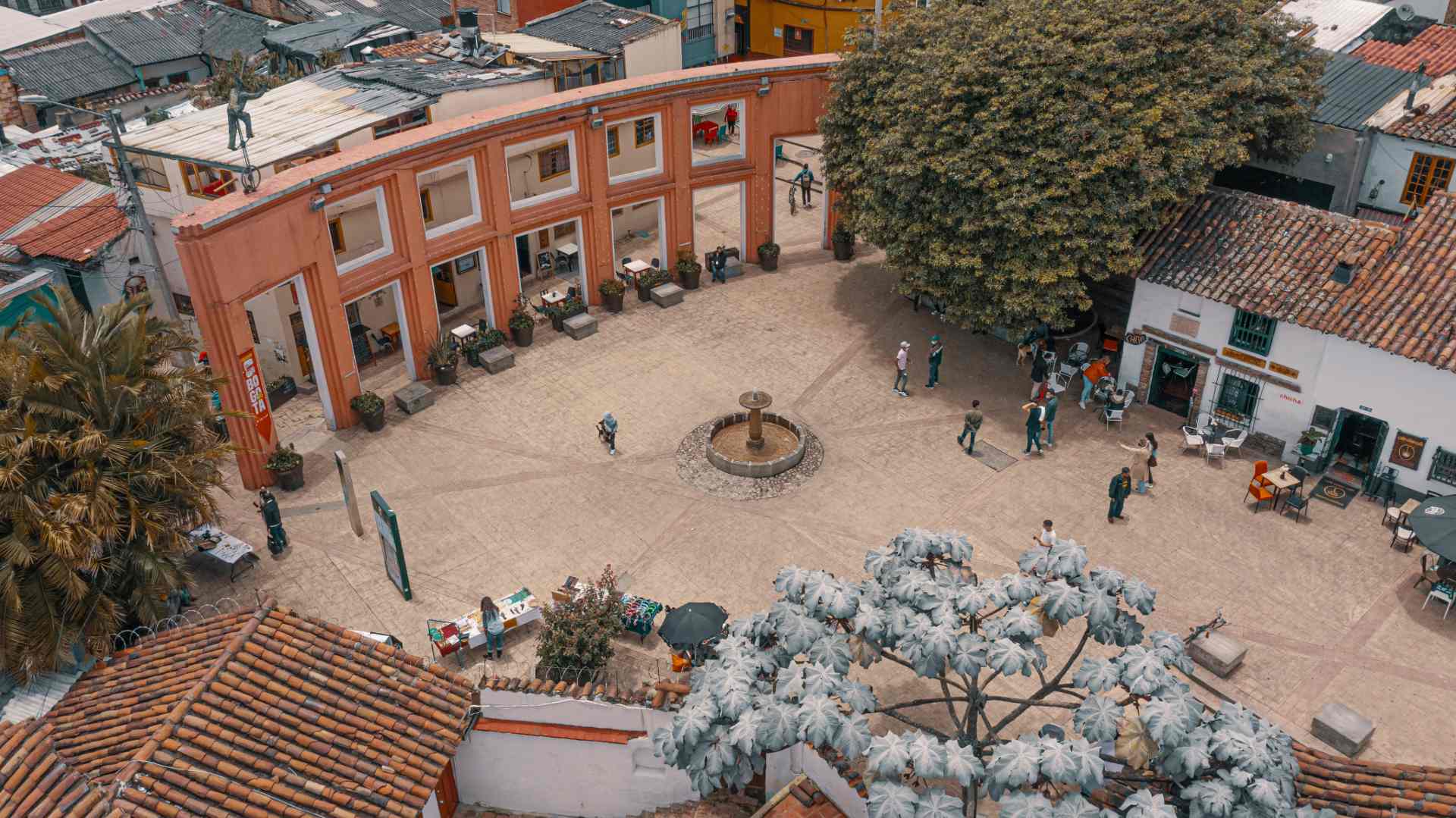
Legend states this square is the founding site of Bogota in 1538. It serves as a cultural hub for artists and students today.
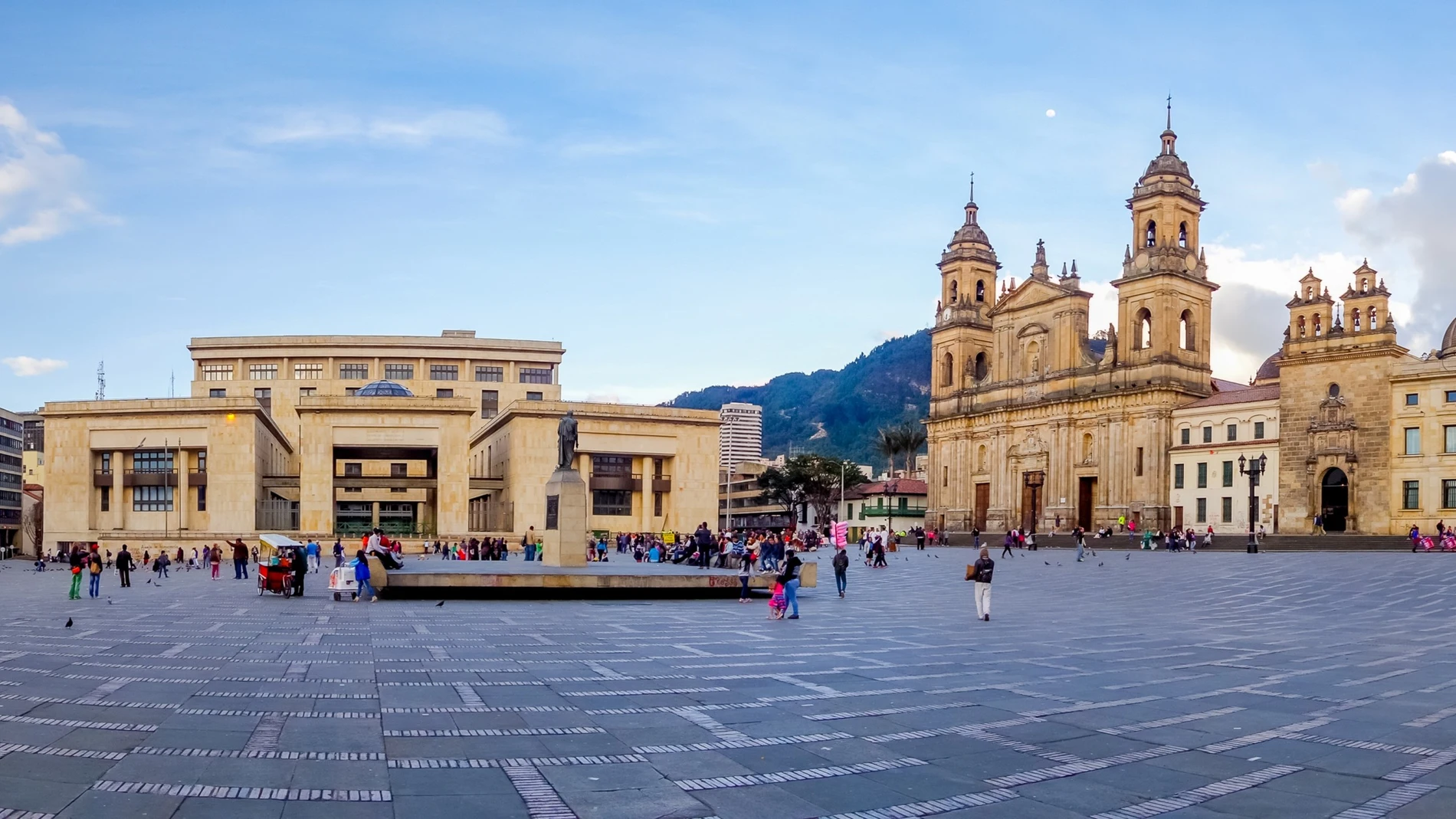
This massive square is surrounded by important government buildings and the Primatial Cathedral. It represents the political heart of Colombia.
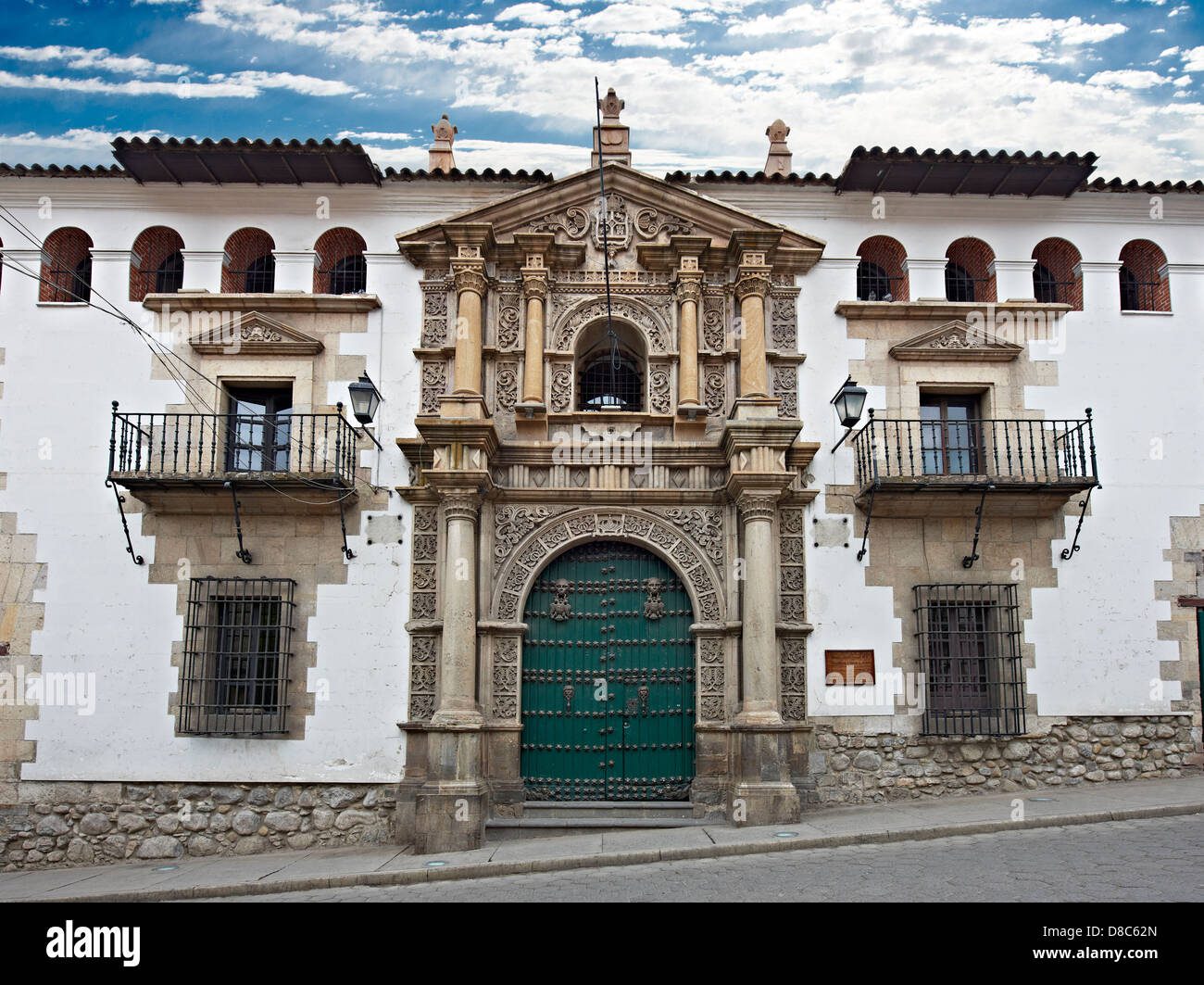
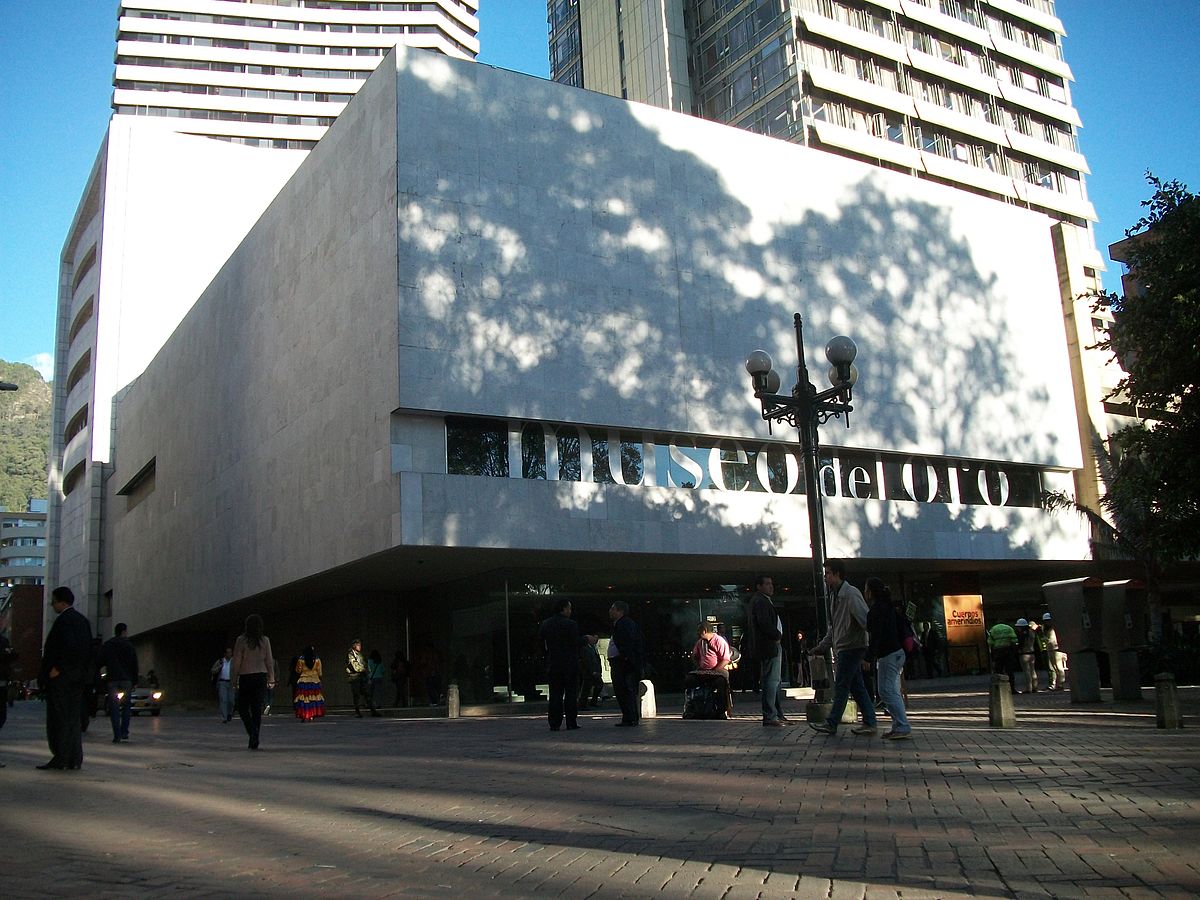
This museum houses an extensive collection of Colombian coins and colonial-era artistic treasures. The building itself is an architectural landmark.
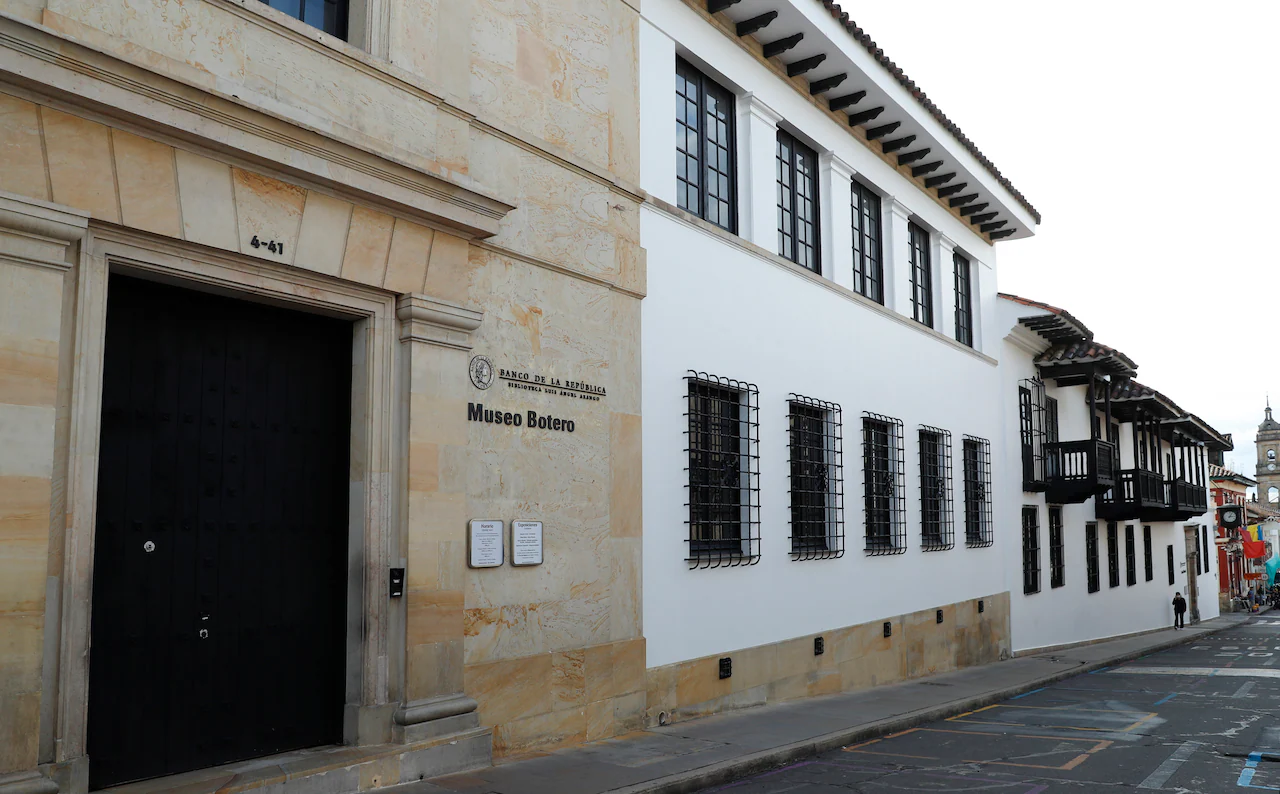
This museum hosts a world-famous collection of Fernando Botero's voluminous sculptures and paintings. It is a centerpiece of local artistic heritage.
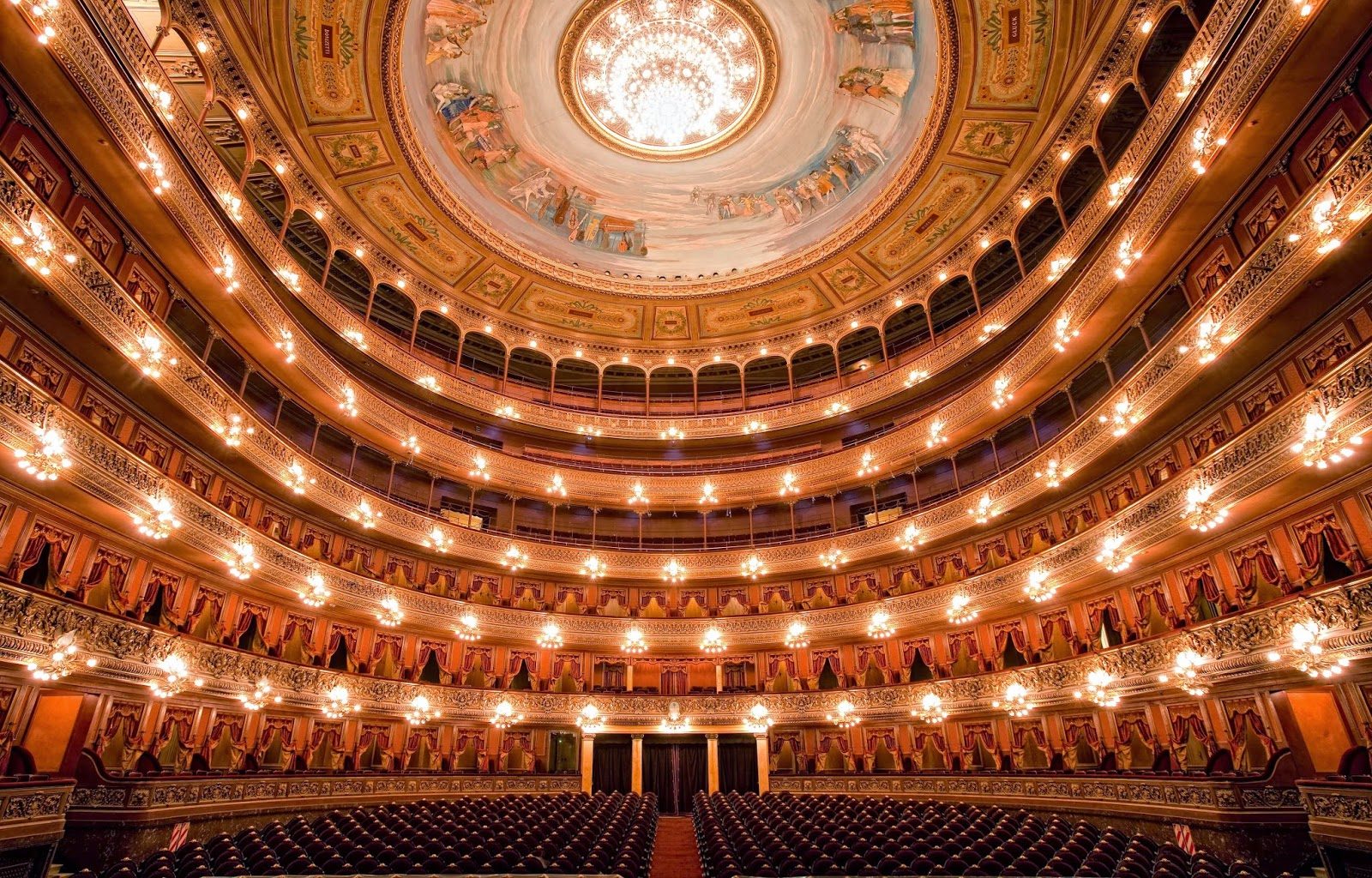
Completed in 1892, this theater is a prime example of neoclassical architecture in Bogota. Its interior decorations are highly detailed and historically significant.
Every La Candelaria Walking tour side-by-side — duration, what's included, how you redeem.
| Experience | Duration | Rating | Skip-the-line | Guide | Small group | Free cancel. | Price | |
|---|---|---|---|---|---|---|---|---|
|
Guided Experience Most popular
La Candelaria Walking Tour with Local Guide
|
3 hr | ★ 4.8 | ✓ | ✓ | ✓ | ✓ | €17 | Book → |
|
Guided Experience
Historic Downtown Bogotá Walking Tour
|
2 hr 30 min | ★ 4.8 | ✓ | ✓ | ✓ | ✓ | €15 | Book → |
|
Guided Experience
La Candelaria Graffiti & Urban Art Walking Tour
|
2 hr 30 min | ★ 4.8 | ✓ | ✓ | ✓ | ✓ | €17 | Book → |
All prices from verified partners. Availability and exact terms confirmed at checkout.
Professional guided tours provide richer storytelling for history enthusiasts, while independent exploration offers the freedom to linger at your own pace; most visitors prefer the self-guided approach for casual photography.
| Feature | Top pick Self-Guided | Professional Guided Tour |
|---|---|---|
Structure and Narrative |
Unstructured and personal | Fixed route with curated stories |
Flexibility and Pace |
Complete freedom to pause | Pre-set schedule and duration |
Cost Considerations |
0 COP (Free entry) | Typically 40,000–80,000 COP |
Social Interaction |
Solo or private group | Joined group atmosphere |
Depth of Historical Context |
Limited to signs and research | In-depth expert commentary |
Logistics |
Self-navigated through Bogota landmarks | Meeting point coordination required |
| See tickets → |
Verdict: If you prioritize deep narrative insights, the professional la candelaria walking tour tours are superior, but for those seeking autonomy with la candelaria walking tour tickets as a secondary thought, independent travel is ideal, especially when considering the la candelaria walking tour tour provides a more social experience.
Choose your ticket, select your date, and reserve in under two minutes. Secure checkout handled by our verified partner.
Instant confirmation by email, with a mobile voucher you can save offline. No printing, no queuing at a collection desk.
Arrive at the entrance, show your voucher on your phone, and walk in. Most tickets include priority or skip-the-line access.
Practical details for La Candelaria Walking tickets straight from our verified partners — hours, access, rules, and how to get there.
Calle 12B # 2-96
Common starting point for many tours
Open in Google MapsUse the TransMilenio to Las Aguas or Museo del Oro station.
Wear comfortable walking shoes suitable for steep inclines and uneven colonial-era pavement. Layers are recommended as the weather in this Bogota district shifts rapidly throughout the day.
Keep backpacks and purses in front of you while navigating crowded areas. Secure all belongings tightly, especially when stopping to view street art during your la candelaria walking tour.
Street art murals and historic architecture are popular subjects for photography. Always ask permission before photographing local residents or street performers during your la candelaria walking tour.
The historic layout of La Candelaria features narrow sidewalks and steep inclines. Visitors with mobility issues may find certain parts of a typical la candelaria walking tour difficult to access.
Use your phone discreetly to avoid drawing unwanted attention in public spaces. Keep your device tucked away when not actively navigating or taking photos during your la candelaria walking tour.
Families should keep children close due to narrow, busy streets and uneven terrain. Many local cafes are welcoming, making it easy to take breaks during your la candelaria walking tour.
Numerous cafes and restaurants serve traditional Colombian coffee and snacks throughout the neighborhood. Hydration is key when walking, so carry bottled water.
Leashed pets are permitted in the public streets and squares of the district. Be aware that some indoor historic sites or cafes may restrict animal access.
The neighborhood is 0 COP to enter, allowing for flexible exploration. Consider joining a professional la candelaria walking tour to better understand the local context.
Calle 12B # 2-96
Common starting point for many tours
Get directionsBest time to go, insider tips, nearby landmarks, and the cancellation fine print — flip through to skim what matters to you.
How crowds, weather, and events shift across the year.
Mild temperatures are ideal for outdoor exploration throughout the district.
Small details that turn a good visit into a great one.
Keep aware of your surroundings at all times while walking through the district.
Non-bookable sights within a short walk — free to visit, easy to pair.
The primary square featuring the Bogota Cathedral and Palace of Justice.
Flexible, no hidden fees.
As this is a public neighborhood, no cancellation policy applies to general entry. Any fees paid for a guided la candelaria walking tour depend entirely on the individual operator's terms.
Hand-picked options within walking distance — pick a district for vibe, or a specific hotel for convenience.
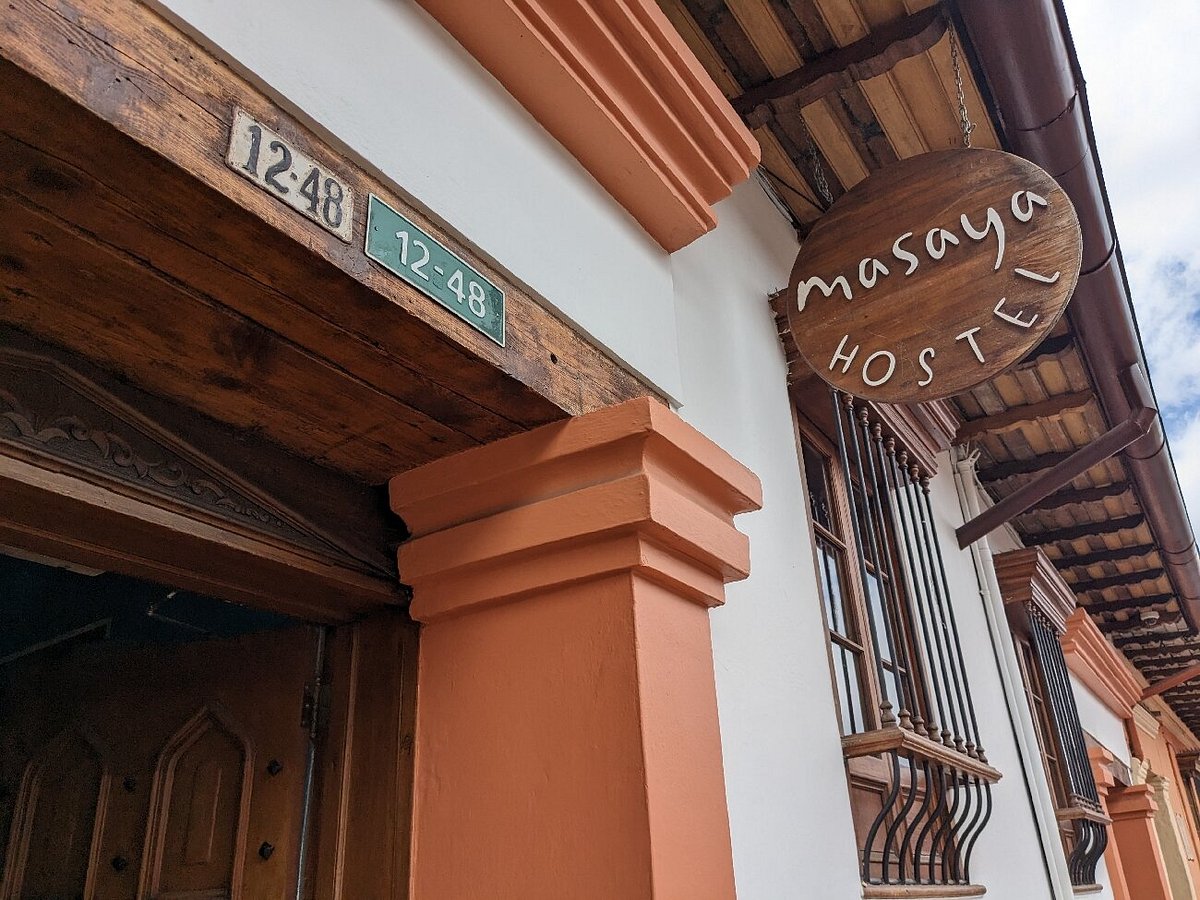
Historical hotel located in a restored colonial building.
La Candelaria occupies seventeen blocks of Bogotá's founding grid, laid out in 1538 by Gonzalo Jiménez de Quesada on the slope between the Andes foothills and the savanna plain.
The neighborhood preserves more than two hundred colonial structures—balconied casas, cloistered convents, tile-roofed civic buildings—that survived earthquakes in 1785 and 1827, and the urban renewals that leveled much of central Bogotá in the twentieth century. Between Carrera 2 and Carrera 8, from Calle 7 to Calle 13, the district functions today as both a lived-in residential quarter and the city's densest concentration of cultural institutions, with fourteen museums, four universities, and seventy registered heritage buildings within walking distance of Plaza de Bolívar.
A la candelaria walking tour typically begins at the eastern edge, where Calle 11 meets the base of Cerro de Monserrate, and descends westward through strata of architecture and history. The upper streets—Calle 12 and 13—retain cobblestone surfaces and eighteenth-century morphology: narrow lanes, blind corners, house numbers painted on whitewashed stucco. Midway down, Calle 11 widens into Chorro de Quevedo, the neighborhood's oldest plaza, a triangular space where street murals by Toxicómano and Crisp cover three-story gable walls in layers of stencil, wheat-paste, and spray enamel. The murals change every few months, curated by the district's informal artist collectives, and form the visual anchor of most la candelaria free walking tour routes.
West of the plaza, the topography flattens and the streetscape formalizes. Carrera 7 marks the transition: east of the avenue, buildings crowd together in irregular blocks; west, they align with the Spanish colonial grid. The Museum of Gold, the Botero Museum, and the National Capitol occupy this zone, converting eighteenth-century mint houses and convents into climate-controlled exhibition halls. La Candelaria bogota walking tour map guides often route visitors through three micro-districts—ecclesiastical (churches and cloisters), civic (ministries and law faculties), and bohemian (cafés, bookshops, galleries)—using Carrera 3 and Carrera 5 as north-south spines.
By 2026, the district supports forty-three operating cafés and seventeen independent bookstores, the highest concentration per square kilometer in South America. Self guided walking tour la candelaria bogota itineraries prioritize daylight hours: shadows from Monserrate obscure the eastern streets after 16:00, and the chromatic saturation of murals diminishes in flat afternoon light. Most routes cover two to three kilometers, requiring ninety minutes to two hours at a moderate pace, with elevation gain of sixty meters from west to east.

"La Candelaria preserves more than two hundred colonial structures that survived earthquakes and twentieth-century urban renewal."
A step-by-step walkthrough of La Candelaria Walking tickets — what you'll see, how long each stage takes, and the details that matter.
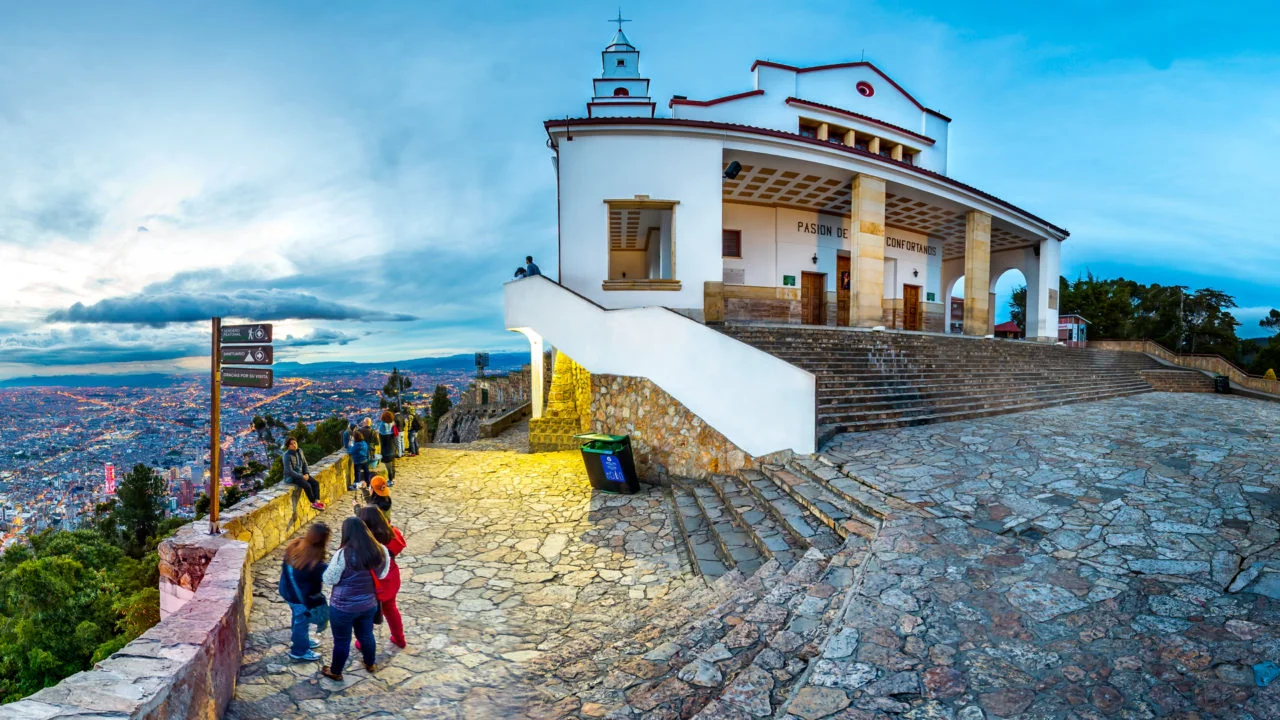
You start at the northeast corner, where Calle 12 meets Carrera 2, with Monserrate's white chapel visible above the roofline. The cobblestones are uneven; you steady your pace.
Within two blocks you reach Chorro de Quevedo, where a three-story mural—faces in profile, stenciled hands, overlapping Spanish and English text—covers the east-facing wall. You pause to photograph it, then turn south.
Carrera 3 descends in stages. You pass the Fundación Gilberto Alzate Avendaño, a converted colonial mansion with interior courtyards open to the public, then cross Calle 10 toward the Museum of Gold. The gradient eases. At Carrera 7, traffic noise replaces the quiet of the residential streets. You turn west, following the map on your phone, and enter Plaza de Bolívar from the southeast corner. The cathedral's twin towers frame the Monserrate ridge behind you.
You circle the plaza counterclockwise, noting the Capitol's neoclassical columns and the bronze equestrian statue at the center, then exit via Calle 11 westbound. The street narrows again. You pass a café with floor-to-ceiling windows and shelves of used books, a graffiti-covered garage door, a law school's arched entrance. At Carrera 8, you decide whether to loop back east or continue west into the modern city. Most la candelaria walking tour routes end here, two hours after you began, with the option to extend north toward the university district or south toward the bullfighting ring.
The neighborhood itself is accessible 00:00–23:59 daily. Most visitors choose to experience a la candelaria walking tour during daylight hours.
There is an entrance fee of 0 COP for public exploration of the neighborhood.
You should explore Plaza de Bolivar, the Museo del Oro, and the historic Chorro de Quevedo.
A standard la candelaria walking tour generally lasts between 2 and 4 hours depending on the route.
While the area is free to explore, you can purchase la candelaria walking tour tickets for professional guided experiences.
The neighborhood is safe for walking during the day, provided you follow standard travel precautions.
The best arrival window is 09:00–16:00 to ensure the best light for murals and photography.
Yes, the cobblestone streets and steep hills can be challenging for those with limited mobility.
Yes, photography is encouraged, but please be respectful of residents when doing a la candelaria walking tour.
Yes, families are welcome, though children should be supervised closely due to the uneven street conditions.